1
/
of
1
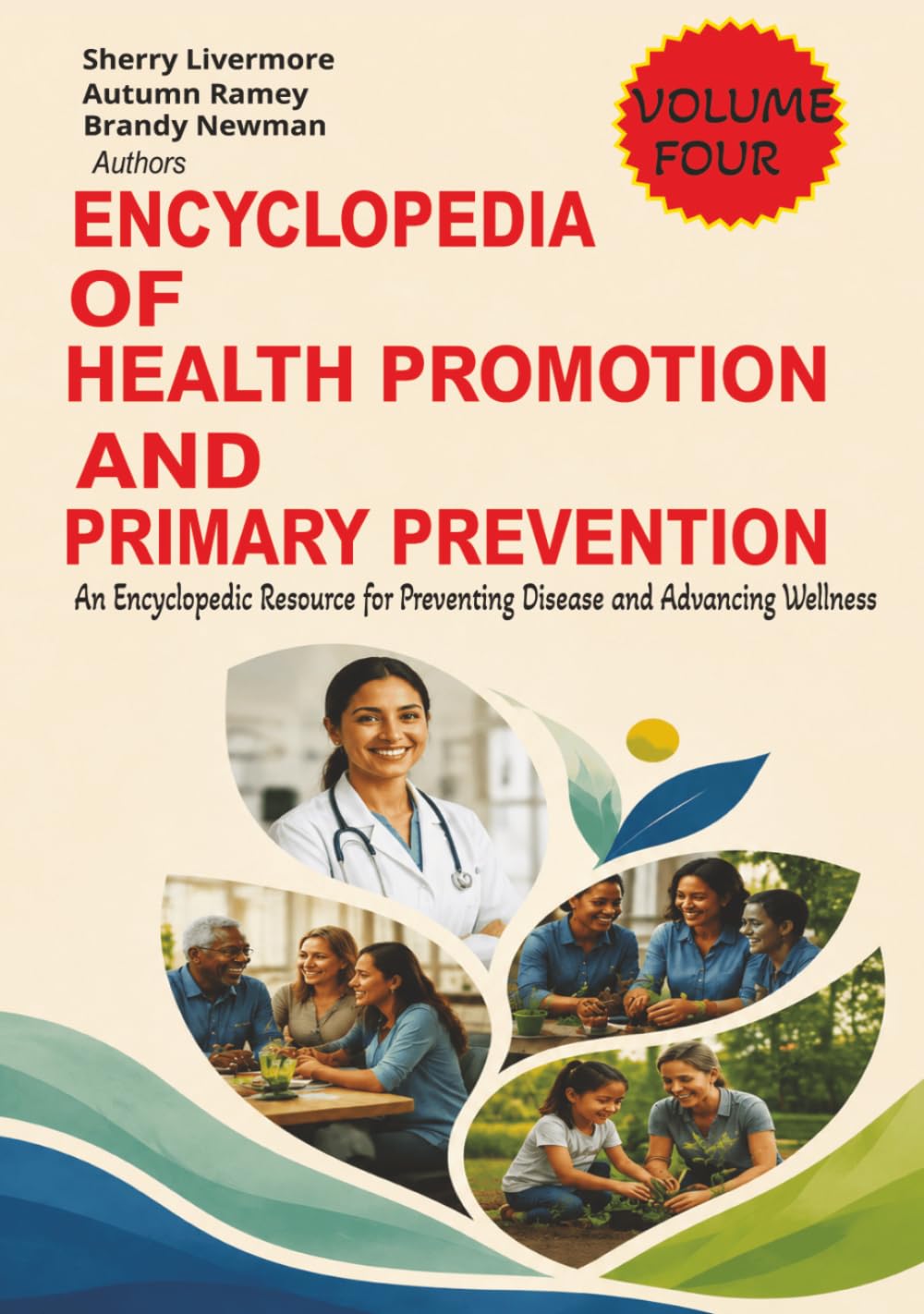
Encyclopedia of Health Promotion and Primary Prevention: An Encyclopedic Resource for Preventing Disease and Advancing Wellness (Ebook)
Encyclopedia of Health Promotion and Primary Prevention: An Encyclopedic Resource for Preventing Disease and Advancing Wellness (Ebook)
Regular price
$110.00 USD
Regular price
$0.00 USD
Sale price
$110.00 USD
Unit price
/
per
Shipping (US): Free economy shipping on orders $20+
Couldn't load pickup availability
✅ 100% Satisfaction Guarantee
VOLUME FOUR
When disaster strikes, survival is not random, it is structured, scientific, and deeply human.
This book offers a practical, evidence-driven exploration of how communities prepare for, respond to, and recover from natural and human-made disasters. It goes beyond theory to reveal how real-world systems, health infrastructure, water and sanitation networks, emergency surveillance tools, and community networks determine who recovers and who is left behind. Through global case studies including catastrophic floods in Pakistan, the Los Angeles wildfires, and complex humanitarian crises, the book shows how outbreaks emerge not from chaos alone, but from predictable failures in water systems, shelter conditions, healthcare access, and communication. It also highlights the powerful role of grassroots coordination, nonprofit response systems, and local resilience planning in saving lives and restoring stability.
Readers will gain a clear understanding of the modern architecture of disaster health response, including how surveillance systems detect outbreaks early, how WASH (Water, Sanitation and Hygiene) interventions prevent disease transmission, and how structured frameworks guide long-term recovery and resilience building.
Key Themes Inside the Book
Why this book stands out
Unlike conventional disaster medicine texts, this work connects public health, infrastructure systems, and community behavior into a unified model of resilience. It translates complex global frameworks into actionable insights for practitioners, policymakers, students, and emergency planners who need clarity under pressure, not abstract theory.
Whether you are working in public health, emergency management, humanitarian response, or community planning, this book provides a structured lens for understanding how resilience is built, measured, and sustained in the real world.
When disaster strikes, survival is not random, it is structured, scientific, and deeply human.
This book offers a practical, evidence-driven exploration of how communities prepare for, respond to, and recover from natural and human-made disasters. It goes beyond theory to reveal how real-world systems, health infrastructure, water and sanitation networks, emergency surveillance tools, and community networks determine who recovers and who is left behind. Through global case studies including catastrophic floods in Pakistan, the Los Angeles wildfires, and complex humanitarian crises, the book shows how outbreaks emerge not from chaos alone, but from predictable failures in water systems, shelter conditions, healthcare access, and communication. It also highlights the powerful role of grassroots coordination, nonprofit response systems, and local resilience planning in saving lives and restoring stability.
Readers will gain a clear understanding of the modern architecture of disaster health response, including how surveillance systems detect outbreaks early, how WASH (Water, Sanitation and Hygiene) interventions prevent disease transmission, and how structured frameworks guide long-term recovery and resilience building.
Key Themes Inside the Book
- Community resilience and disaster recovery frameworks
- Infectious disease prevention in post-disaster settings
- WASH systems: safe water, sanitation, and hygiene interventions
- Early warning systems (EWARS) and outbreak detection
- Flood risk reduction and insurance incentive systems (CRS/NFIP)
- Shelter health management and emergency vaccination strategies
- Real-world case studies from global disaster events
- Mental health and social recovery after crises
- Practical resilience planning tools and audit frameworks
Why this book stands out
Unlike conventional disaster medicine texts, this work connects public health, infrastructure systems, and community behavior into a unified model of resilience. It translates complex global frameworks into actionable insights for practitioners, policymakers, students, and emergency planners who need clarity under pressure, not abstract theory.
Whether you are working in public health, emergency management, humanitarian response, or community planning, this book provides a structured lens for understanding how resilience is built, measured, and sustained in the real world.
Share